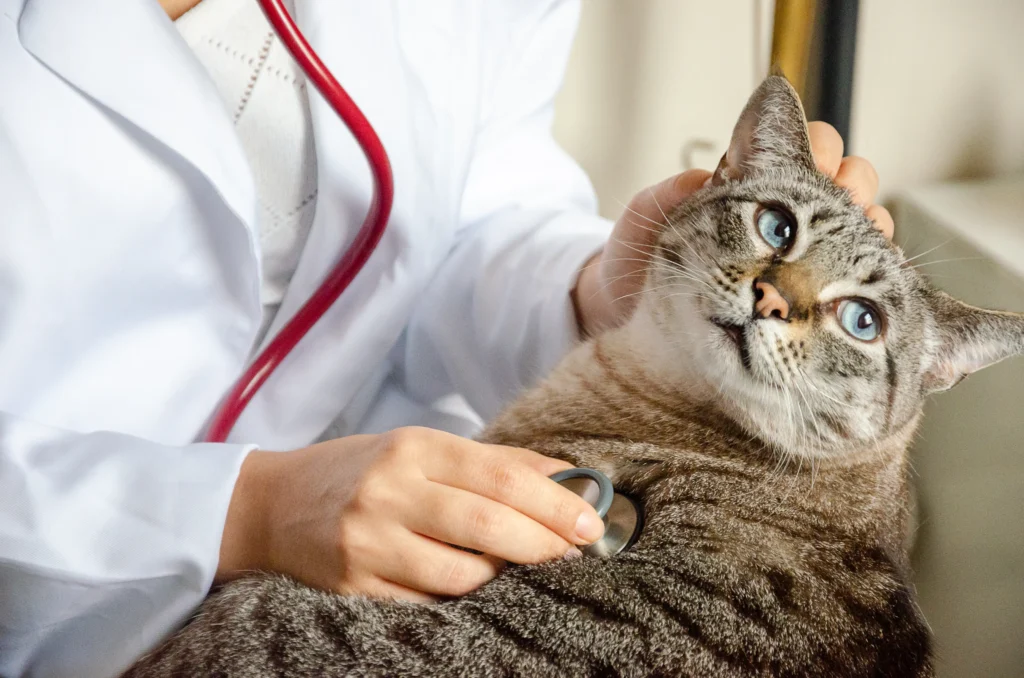
New York City is one of the best places in the world to be a human. For indoor cats, it's a different story. In 2026, veterinarians across Manhattan, Brooklyn, and Queens are flagging a quiet but growing crisis: cats who appear healthy on paper but are deteriorating from chronic under-stimulation.
What NYC Vets Are Actually Seeing
In a city where the average apartment is under 750 square feet and owners work long hours, many cats spend 20+ hours a day in confined, unchanging environments. The clinical results are becoming impossible to ignore:
- Rising rates of feline obesity — now affecting an estimated 60% of indoor cats nationally
- Stress-related over-grooming and skin conditions
- Anxiety-driven aggression or hiding behavior
- Urinary and digestive issues linked to inactivity
Why Small Apartments Make This Worse
Cats are natural hunters. In the wild, they spend hours stalking, chasing, and problem-solving. A 500-square-foot studio offers none of that. Without deliberate enrichment, cats redirect that energy inward — leading to compulsive behaviors, overeating, and stress-related illness.
The good news: the solution doesn’t require more space — just smarter use of the space you already have.
What Actually Works for NYC Cats
Veterinarians and behaviorists are increasingly aligned on what makes the biggest impact in small apartments:
- Vertical space — shelves and cat trees that expand territory upward
- Puzzle feeders — engaging cats mentally during meals
- Scheduled interactive play — two 10-minute sessions daily
- Window access — visual stimulation with outdoor activity
When to See a Specialist
If behavior changes have already appeared — including aggression, litter box avoidance, or compulsive grooming — working with a specialist can significantly speed up resolution.
Many NYC cat owners find that a certified behaviorist can solve issues in a few sessions that would otherwise take months or years of trial and error.
Behavioral changes are often early warning signs of stress or health issues. Addressing them early leads to better long-term outcomes for both cats and owners.
Take the Next Step
Find trusted professionals near you: Cat Behaviorists and Feline Veterinarians
Support your cat’s mental and physical health with expert care.
Browse Specialists →