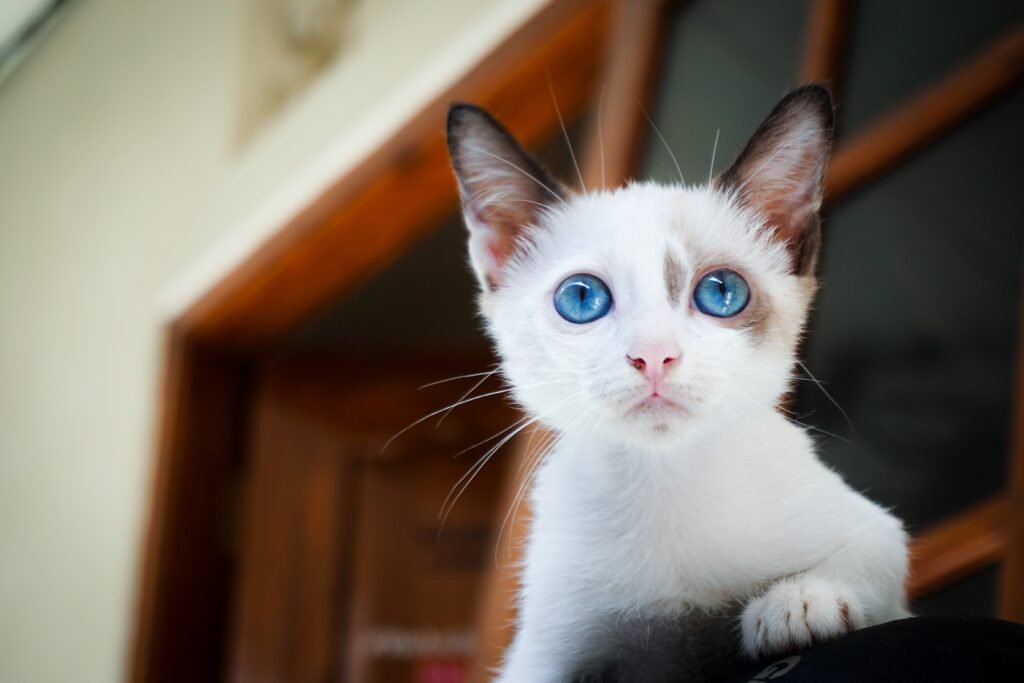
Adopting a cat in New York City should be simple. In practice, it can feel like navigating a bureaucracy — scattered organizations, variable vetting standards, and a process that differs dramatically from one rescue to the next. This guide cuts through the noise. Here's exactly how cat adoption works in NYC in 2026, what to expect, and how to find the right match.
Step 1: Understand the NYC Adoption Ecosystem
New York City's cat adoption landscape has three distinct tiers:
1. The Municipal System — ACC NYC
Animal Care Centers of NYC (ACC) is the city's official shelter
network, with locations in all five boroughs. ACC takes in strays,
owner surrenders, and transfers. Adoption fees are accessible, the
process is straightforward, and urgent adoption cats are flagged
clearly. For uncomplicated adoptions, ACC is often the fastest path.
2. Private Rescue Organizations
Groups like KittyKind, Animal Haven, Anjellicle Cats, and Flatbush
Cats operate through foster networks rather than physical shelters.
Cats live in homes, which means far better behavioral data — fosters
know whether a cat is good with children, other cats, or dogs in ways
a shelter kennel never could. The adoption process is more involved,
but match quality is meaningfully higher.
3. Breed-Specific and Specialty Rescues
For owners seeking specific breeds — Maine Coons, Persians, Siamese —
specialty rescues operate in and around NYC. Wait times are longer but
cats come with detailed histories and confirmed breed characteristics.
Step 2: Know What Questions to Ask
Before committing to any adoption, ask:
- Has the cat been in foster care or a kennel? (Foster means better behavioral insight)
- What's the full medical history — vaccines, spay/neuter, any chronic conditions?
- Has the cat shown any aggression, litter box issues, or anxiety behaviors?
- What is the return policy if the adoption doesn't work out?
Reputable organizations answer behavioral questions without hesitation. Vague or evasive answers about a cat's history are a meaningful warning sign — not a reason to proceed quickly.
Step 3: Match to Your Actual Life — Not Your Ideal Life
The most common adoption mistake in NYC is matching to aspiration rather than reality. A highly active kitten in a studio apartment with a 10-hour workday is a setup for behavioral problems. A senior cat, a bonded pair, or a calmer adult is often a far better fit.
Ask yourself honestly:
- How many hours per day will the cat be alone?
- How much active interaction can you realistically provide?
- Is your apartment enrichment-ready for the cat's energy level?
Step 4: Prepare Before the Cat Arrives
Before pickup day:
- Vet appointment booked within 72 hours of arrival
- A safe room identified for the transition period — one room, not the whole apartment
- Litter box, food, water, and a hiding spot set up in advance
- Existing pets prepared with scent introduction before physical contact
Where to Start Your Search
Find the right organization: NYC Cat Adoption Directory and Veterinarians Near You.
Rated rescues across all five boroughs — with contact info, adoption process details, and reviews.
Find a Rescue Near You →