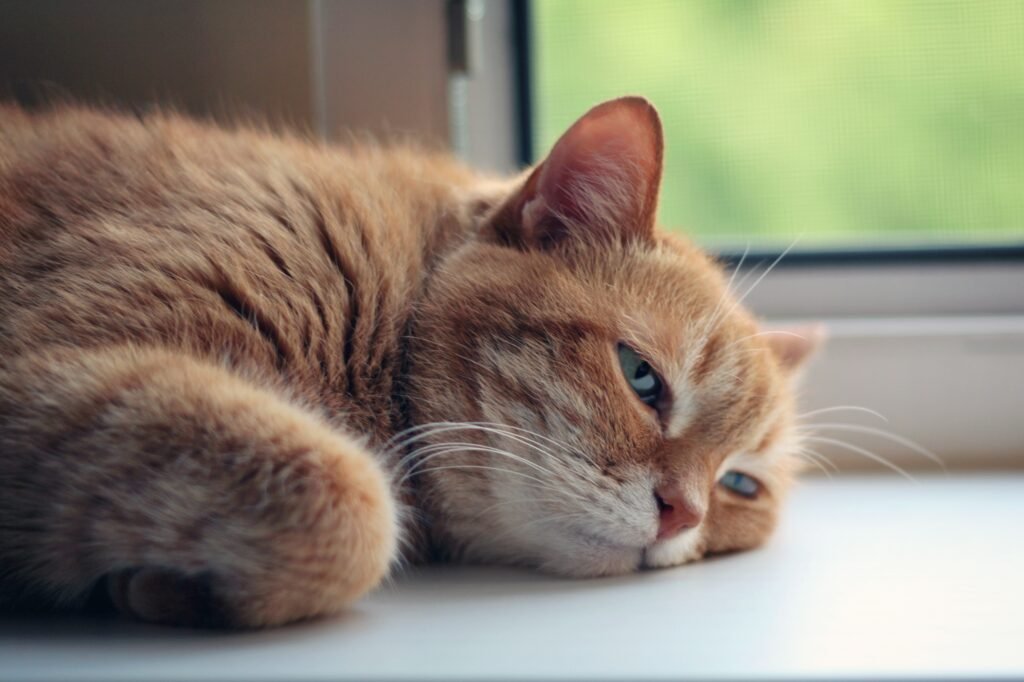
New York City summers have become measurably more severe. Heat index readings above 100°F, air quality alerts that force windows shut, and power grid strain that makes AC reliability uncertain — all of it lands harder on indoor cats than most owners realize. Here's what NYC cat owners need to know before the heat sets in.
How Heat Actually Affects Cats
Cats are more heat-tolerant than dogs but significantly less tolerant than their stoic behavior suggests. Warning signs that your cat is struggling in the heat:
- Panting — not normal in cats; take it seriously immediately
- Lethargy beyond their usual resting behavior
- Hot paws or ears to the touch
- Reduced appetite or water intake
- Seeking unusually cold surfaces — bathroom tile, kitchen floor
If panting appears, move your cat immediately to the coolest room in your apartment and contact your vet. Heatstroke in cats can become critical within minutes — it is a medical emergency, not a wait-and-see situation.
The Air Quality Problem
On Code Orange and Code Red air quality days — increasingly common in NYC — keeping windows closed is necessary. But closed windows with limited AC create a compounding problem: heat buildup and poor ventilation in an already small space.
For brachycephalic breeds — Persians, Himalayans, Exotic Shorthairs — air quality is an amplified risk. Their compressed airways make respiratory distress more likely at lower thresholds than standard domestic cats.
Practical Cooling Strategies for NYC Apartments
You don't need a large space to keep a cat safely cool. You need deliberate planning:
- A dedicated cool room — identify the naturally coolest room and keep it accessible 24 hours
- Cooling mats — self-cooling gel pads that require no refrigeration are effective and inexpensive
- Frozen treats — broth ice cubes, frozen wet food, and chilled water fountains increase hydration and lower core temperature
- Damp towel access — leave a damp towel in a cool spot; let the cat choose to use it rather than forcing contact
- Fan placement — point a fan across a bowl of ice for basic evaporative cooling in rooms without AC
When to Call Your Vet
Heat-related illness escalates quickly. Call your vet — not Google — if you observe:
- Panting that does not resolve within minutes
- Disorientation or unresponsiveness
- Lethargy severe enough to prevent normal movement
Most feline-focused veterinary practices in NYC have summer same-day protocols for heat emergencies. Knowing your nearest urgent care vet before an emergency is the most practical preparation you can make.
Find Emergency and Urgent Care Near You
Locate your nearest option: Veterinarians — Emergency & Urgent Care
Locate 24-hour and urgent care veterinary practices in your NYC neighborhood.
Find Emergency Vets →