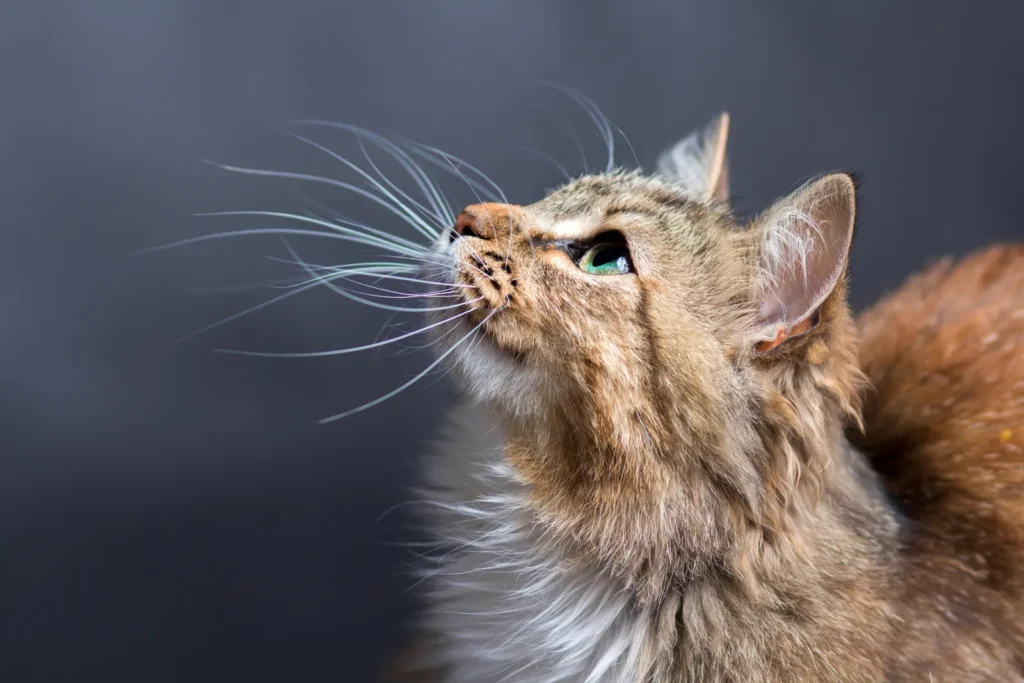
Taking care of a cat in New York City is not the same as taking care of a cat anywhere else. The constraints are different — smaller spaces, higher stress environments, limited outdoor access, and a veterinary landscape that requires knowing where to look. This is the complete, practical guide to cat care in NYC in 2026, built specifically for the realities of urban apartment living.
Nutrition — The Foundation of Everything
What your cat eats determines more about their long-term health than almost any other single factor. NYC cat owners have access to an unusually wide range of premium nutrition options — independent boutiques, raw food co-ops, and specialty delivery services that don't exist in most cities. The basics, however, apply everywhere.
Wet food over dry food — cats are obligate carnivores who evolved obtaining most of their hydration from prey. Dry kibble is 10% moisture; wet food is 70–80%. Chronic low-level dehydration from an all-dry diet drives urinary disease, kidney disease, and digestive issues in indoor cats. A primarily wet food diet is the single most impactful nutritional change most cat owners can make.
Protein quality over brand recognition — read the ingredient list. The first ingredient should be a named animal protein: chicken, salmon, turkey. Avoid foods where the first ingredient is a grain, a by-product, or a generic "meat" without species specification.
Consistent feeding schedule — free feeding dry food is one of the leading causes of feline obesity in indoor cats. Two to three measured meals per day at consistent times regulates metabolism and gives you a daily visibility into your cat's appetite — the earliest indicator of illness.
A cat who skips one meal occasionally is not a concern. A cat who skips two consecutive meals, or who has noticeably reduced appetite for more than 24 hours, warrants a vet call. You only notice this if you're feeding measured meals — not free feeding.
Hydration — The Problem Most Owners Don't Know They Have
Most indoor cats are mildly dehydrated most of the time. The consequences accumulate slowly and manifest years later as kidney disease, urinary crystals, and constipation. Addressing hydration proactively is one of the highest-leverage preventive health decisions you can make for an indoor cat.
- Water fountain over a bowl — cats are instinctively drawn to moving water; fountains consistently increase water intake by 50% or more compared to static bowls
- Multiple water stations — place water in at least two locations, never directly next to food (cats instinctively avoid drinking near their "prey")
- Filtered water — NYC tap water is safe but some cats refuse it due to chlorine taste; a basic filtered pitcher or fountain with a carbon filter solves this
- Broth additions — unsalted chicken or bone broth added to dry food or served as a treat dramatically increases daily fluid intake
Veterinary Care — Building a Relationship Before You Need It
The worst time to find a vet is when your cat is sick. New York City has hundreds of veterinary practices — ranging from feline-only specialists to general practices, urgent care chains, and 24-hour emergency hospitals. The right approach is to establish a primary care relationship with a practice you trust before an emergency creates the need.
Annual wellness exams are the minimum for a healthy adult cat. Twice-yearly exams are recommended for cats over seven, whose health can change significantly between annual visits. A wellness exam catches dental disease, weight changes, thyroid issues, kidney markers, and early diabetes before they become expensive and difficult to treat.
Core vaccinations for indoor NYC cats include FVRCP (feline viral rhinotracheitis, calicivirus, and panleukopenia) and rabies, which is legally required in New York State regardless of indoor-only status.
Know your emergency vet before you need one. The Animal Medical Center (212-838-8100) is New York's primary 24-hour emergency hospital. Save the number and address now.
Enrichment — The Part Most Owners Underestimate
Indoor cats in New York City apartments have no territory to patrol, no prey to hunt, and limited environmental variety. The behavioral and physical consequences of this are well documented: obesity, anxiety, compulsive grooming, furniture destruction, and inter-cat aggression in multi-cat households.
Enrichment is not optional for apartment cats — it is preventive medicine. The interventions that make the most difference in small spaces:
- Vertical territory — cat trees, wall-mounted shelves, and window perches expand usable space upward; a cat with access to 8 feet of height effectively has double the territory of a floor-only environment
- Scheduled interactive play — two 10-minute wand toy sessions daily, one in the morning and one in the evening, simulating a complete hunt cycle (stalk, chase, catch, cool-down)
- Puzzle feeders — replacing part of each meal with a puzzle feeder engages predatory cognition and slows eating, reducing vomiting in fast eaters
- Window access — a bird feeder placed outside a window your cat can watch provides hours of passive enrichment with no ongoing effort from you
- Rotation — rotating toys in and out of circulation every two weeks maintains novelty; cats habituate to static environments quickly
Litter Box — The Most Overlooked Health Monitor
The litter box is the single most informative daily health indicator you have access to. Changes in frequency, consistency, colour, or volume of output are early warning signs for urinary disease, kidney disease, diabetes, hyperthyroidism, and digestive conditions.
NYC apartment litter box management requires specific attention to:
- Box size — the box should be 1.5× the length of your cat from nose to tail base; most commercial boxes are too small
- Number of boxes — the rule is one box per cat plus one; a two-cat apartment needs three boxes minimum
- Scooping frequency — once daily minimum; twice daily in small apartments where odour concentrates quickly
- Placement — never in a closed cupboard or in the bathroom where air circulation is limited; cats avoid boxes in locations that feel enclosed or trap them
- Litter dust — low-dust litter matters more in sealed apartment environments; clay dust accumulates in carpets and affects both cat and owner respiratory health
Grooming — What Indoor Cats Still Need
Short-haired cats manage most of their own grooming effectively. Long-haired breeds — Persians, Maine Coons, Ragdolls, Himalayans — require regular human assistance to prevent matting, which can progress to skin infections in severe cases.
At minimum, every indoor cat needs:
- Nail trims every 3–4 weeks — overgrown nails curl into the paw pad and cause pain; trimming is a two-minute process once you and your cat are accustomed to it
- Brushing — weekly for short-haired cats, every two to three days for long-haired; reduces hairballs and gives you the opportunity to feel for lumps, wounds, or skin changes
- Professional grooming — long-haired breeds benefit from professional grooming every 6–8 weeks; for cats with severe mat histories, a lion cut can reset the coat and prevent recurrence
Find the Right Providers for Your Cat
Building your cat's care team before you need them: Veterinarians, Cat Groomers, Cafes & Boutiques, and Cat Behaviorists across all five boroughs.
Verified vets, groomers, behaviourists, and pet supply stores across Manhattan, Brooklyn, Queens, the Bronx, and Staten Island — searchable by neighbourhood.
Browse the Directory →